


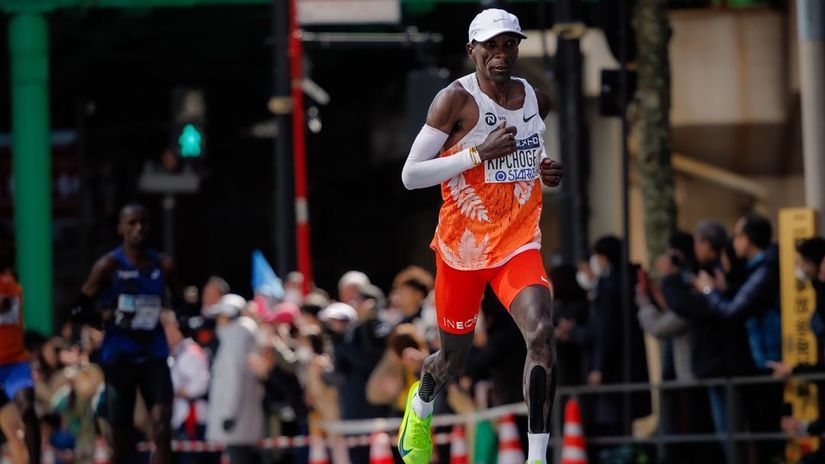
Study links air pollution to slower marathon times








Reading Time: 3min | Wed. 01.01.25. | 17:33
Alarmingly, the findings revealed that even pollution levels below current health standards negatively affected athletes
Marathon runners meticulously plan their training, gear and nutrition, but new research suggests they may need to add air quality to their list of considerations.
A groundbreaking study by Brown University, published in Sports Medicine, has revealed that fine particulate matter in the air significantly impacts race-day performance, even for the healthiest athletes.
Analyzing data from over 2.5 million marathon finishers across nine major U.S. marathons between 2003 and 2019, the study found a clear correlation between air pollution levels and slower average finish times.
“If you run in a polluted city you can decrease your performance,” two-time Olympic marathon champion Eliud Kipchoge told BBC Sport Africa.
— Clean Air Catalyst (@CleanAirCAC) August 29, 2024
Learn how #airquality data is helping elite athletes beat the pollution: https://t.co/qwoGQS03jc
Male runners experienced a 32-second delay per 1 µg/m³ increase in fine particulate matter, while female runners saw a 25-second delay. For runners chasing personal bests or professional records, these delays are far from trivial.
“Think of all the effort a professional runner like Eliud Kipchoge puts into breaking world records. Our results show that those aiming to optimize performance can’t ignore air pollution,” said Elvira Fleury, the study’s lead author and a doctoral student at Harvard University.
The researchers employed a sophisticated spatial-temporal model to measure air pollution levels at specific points along marathon routes.
Alarmingly, the findings revealed that even pollution levels below current health standards negatively affected athletes. This shows the broader health implications of air pollution, which extend beyond vulnerable populations to impact even the fittest individuals.
.jpg)
“This study shows air pollution affects not just the elderly or susceptible populations, but also the fittest and healthiest among us,” noted Joseph Braun, Professor of epidemiology at Brown University.
The research emphasizes the urgent need for regulatory measures to curb emissions from power generation, transportation, and industry, which could simultaneously improve overall health outcomes and athletic performance.
According to the World Health Organization (WHO), air pollution is the contamination of indoor or outdoor environments by chemical, physical, or biological agents that modify the atmosphere’s natural characteristics.
Common sources include household combustion devices, motor vehicles, industrial facilities, and forest fires. Pollutants such as particulate matter, carbon monoxide, ozone, nitrogen dioxide, and sulfur dioxide contribute to respiratory and other diseases, making air pollution a significant global health concern.
The findings from the Brown University study align with these broader concerns, reinforcing the need for immediate action to tackle air pollution.
For endurance athletes, race planners, and sports organizations, this means factoring in environmental conditions during event planning. With marathons continuing to grow in popularity, air quality awareness may soon become as critical as proper hydration or pacing strategies.
The importance of clean air for athletic performance is gaining recognition globally.
In Kenya, a collaboration between the County Government of Nandi, the United Nations Environment Programme (UNEP), and the Stockholm Environment Institute (SEI) in February 2024 saw the installation of air quality sensors at the Eliud Kipchoge Stadium. This initiative, spearheaded by Athletics Kenya (AK), UNEP, and SEI, integrates air quality and climate action into sports.
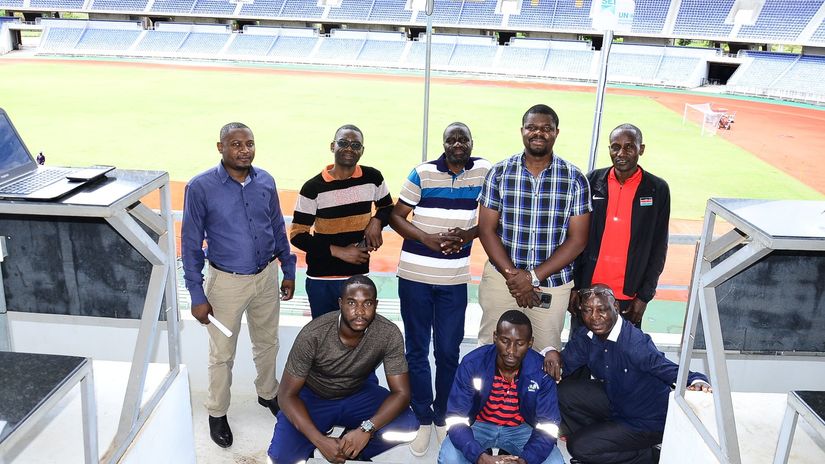
As part of the program, St. Patrick’s High School in Iten joined over ten other schools across Kenya, Senegal, Tanzania, and Uganda in air quality monitoring initiatives.
The data collected has already driven remedial actions such as developing green belts around sports facilities and encouraging local authorities to reduce open waste burning and increase afforestation efforts.