


The force driving Kamare Twitter Republic's digital community beyond gambling
.jpg)
Reading Time: 8min | Sun. 22.02.26. | 19:19
That preference for independence mirrors the culture of Kamare Twitter, a community he did not create but eventually came to lead
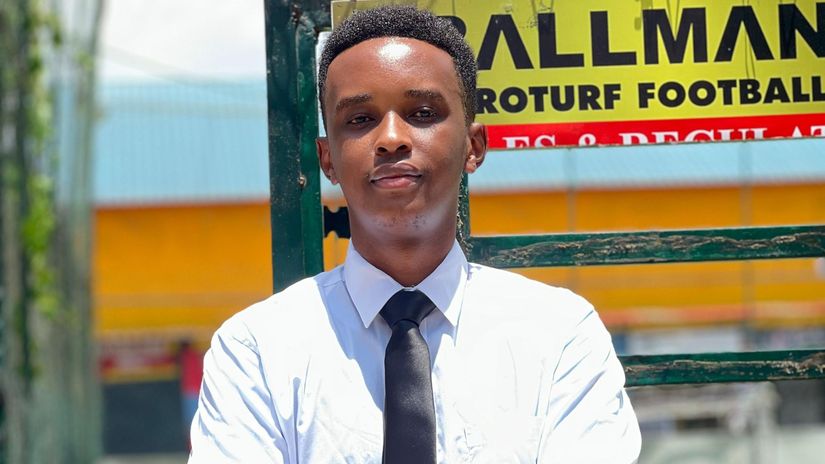
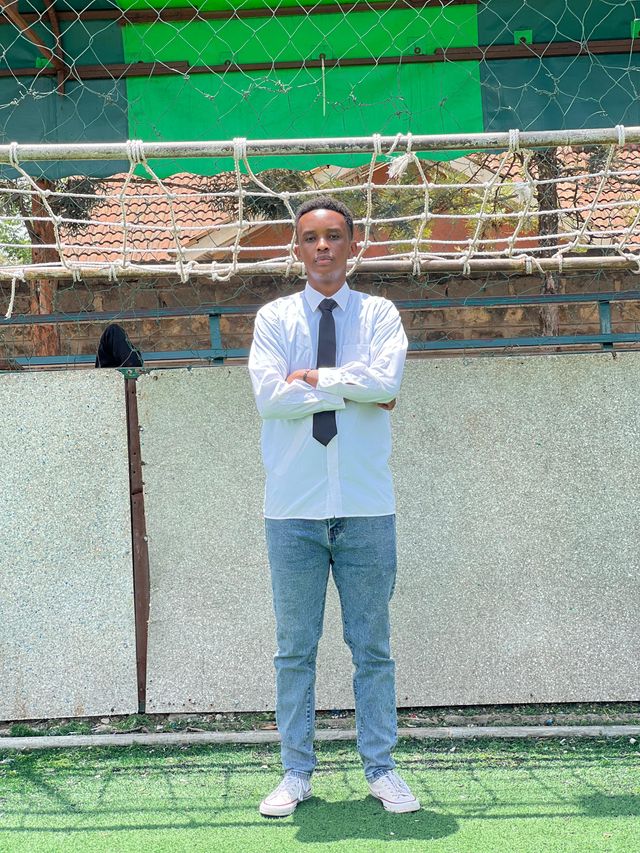
The turf in Kahawa Wendani was empty when Emmanuel Chege arrived for the interview.
Plastic benches ran along the edge of the pitch, and beyond them the artificial grass stretched into the quiet evening, marked by faded lines and worn patches where games had been played too often to count.
Follow our WhatsApp channel for more news
On most nights, Kamare Twitter gathers here when time allows, boots scraping the turf and laughter carrying into the darkness, but this afternoon, there was only the sound of distant traffic and the occasional echo of a ball from a neighbouring court.
We sat along the benches facing the pitch, the place itself telling part of the story before a word had been spoken.
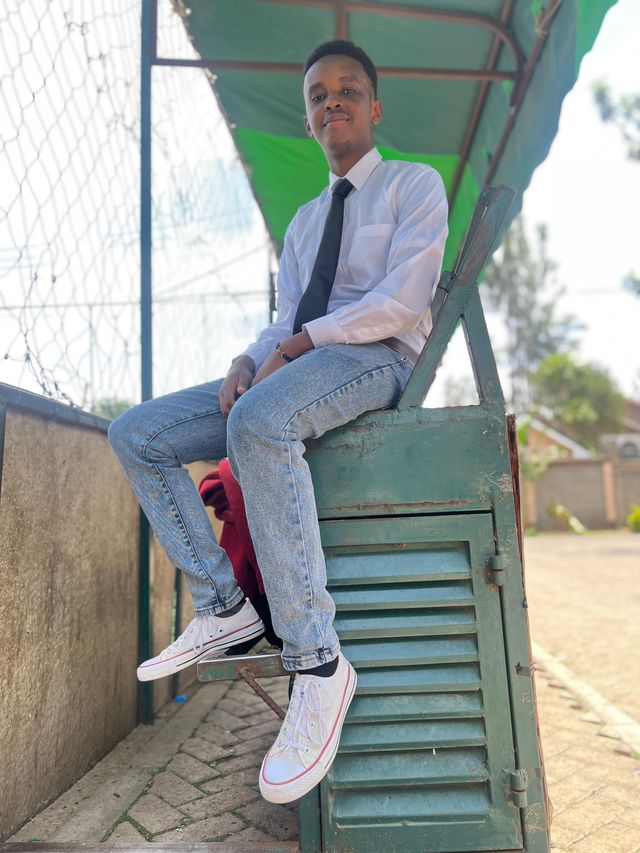
Chege showed up early and carried himself with a composure that matched the office he holds online.
Well-kept and deliberate in speech, he answered questions with a careful structure, occasionally referring back to earlier points with phrases like “in my previous response,” a habit that sounded closer to a press briefing than a casual conversation.
In person, he is softer than the persona suggests, laughing easily and often, the same relaxed laughter that punctuates his sarcastic wit on X (previously Twitter).
One gets the sense of a young man who understands influence without needing to declare it, a quiet operator who moves efficiently within spaces that others treat more casually.
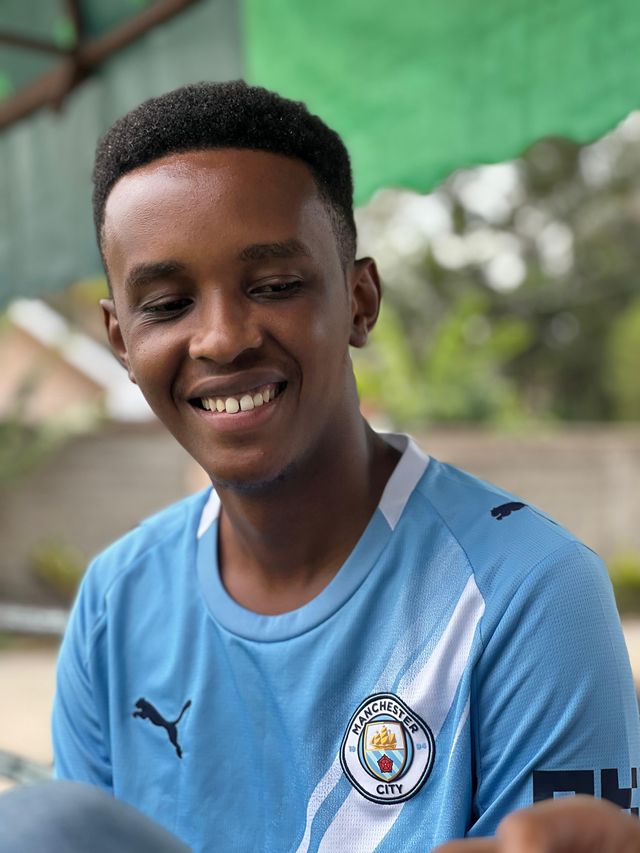
On Twitter, he is known as Prezda (President), the President of Kamare Twitter, a community of gamblers built around football, humour and shared experience.
In real life, he comes across as someone who does not take the title too seriously, though the way he speaks carries a certain instinct for leadership that has followed him from childhood.
That instinct began in Nyandarua, where he spent his early years in an environment shaped by distance and routine.
Schools sat far apart from one another, and afternoons were long and unstructured, filled with improvised games played on open ground.
The cold air from the Aberdares settled over the fields in the mornings, and the roads stretched through quiet farmland where movement was slow and familiar.
It was in that setting that Chege first developed the confidence that would later define him.
He became head boy in primary school, outspoken and comfortable standing before others, already displaying the tendency to organise and direct rather than simply participate.
Football formed part of that upbringing long before it became a subject of analysis or debate.
The game existed in its simplest form, played wherever space allowed and with whatever equipment was available.
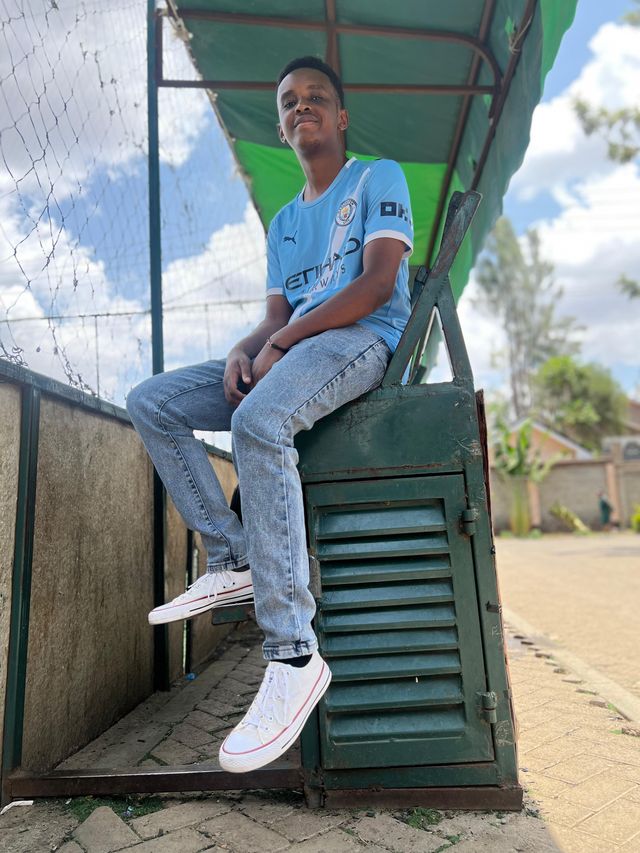
His connection to Manchester City began in Class Seven during the season when the club won the league on the final day against Queens Park Rangers.
At a time when most boys supported Manchester United, Arsenal or Chelsea, his choice was partly about football and partly about identity.
“Nilianza kusupport Man City class 7 apo season yenye walibeba league siku ya mwisho against QPR. (I started supporting Man City in Class 7, during the season when they won the league on the last day against QPR),” he says. “Mostly it was to be different.”
His first jersey carried David Silva’s name and number on the back, a small but defining symbol of a tendency to move slightly against the current rather than with it.
Alliance High School gave that instinct a wider field in which to operate.
The institution is known more for rugby than football, and the sporting culture reflects that priority, yet Chege immersed himself in the game with an intensity that went beyond casual interest.
By his final years, he had become what he jokingly calls the President of Football, an unofficial position that reflected his role within a student-organised structure known as the Small Premier League.
The competition functioned as a parallel football system within the school, organised entirely by students who arranged teams and fixtures and even scheduled matches against official school sides.
It was administration disguised as play, an early rehearsal for the kind of community leadership he would later exercise online.
After Alliance, he enrolled at Kenyatta University to study biosystems engineering, a course that was not his original plan, but one he accepted without dwelling on alternatives.
Civil engineering had been the preferred path, but the cutoff points did not allow it, and he speaks about the change without regret or disappointment.
He graduated in August 2024 but has not pursued a career in the field, choosing instead to focus on online work that provides both income and flexibility.
There is an awareness that expectations exist for someone with his educational background, particularly as an Alliance alumnus and engineering graduate, but he does not allow those expectations to dictate his decisions.
Freedom is a recurring theme in the way he describes his choices.
Making money matters to him, but control over his time matters just as much.
Working on his own terms offers a sense of independence that structured employment would limit, and he speaks about this not as a generational attitude but simply as part of who he is.
That preference for independence mirrors the culture of Kamare Twitter, a community he did not create but eventually came to lead.
“I did not come up with Kamare Twitter,” he says, laughing as he corrects a common assumption.
The network was already active when he joined, led at the time by an outgoing executive headed by Karis and Jose.
When elections were announced, Chege initially intended to run for Deputy President, aware that he did not yet have a large following or deep engagement within the group.
The situation changed when Karis decided not to seek another term, opening a path that Chege recognised immediately.
.jpg)
He entered the race for President, and the campaign unfolded in a way that captured the spirit of the community itself.
Posters existed only as memes, and voting took place through Twitter polls, with a returning officer announcing results in language borrowed from real political processes.
The outcome was even challenged in a fictional court of appeal, the proceedings conducted with a seriousness that made the humour sharper rather than softer.
What emerged from that process was a space where young men found community through shared jokes and shared experience, a brotherhood built organically rather than deliberately.
Under Chege’s leadership, Kamare Twitter developed a more defined structure, with a cabinet representing different football leagues and a membership that eventually grew into the thousands.
Most participants had never met physically, yet the relationships formed online carried genuine meaning.
Members amplified employment opportunities and supported each other publicly when work was available, creating networks that extended beyond gambling and football.
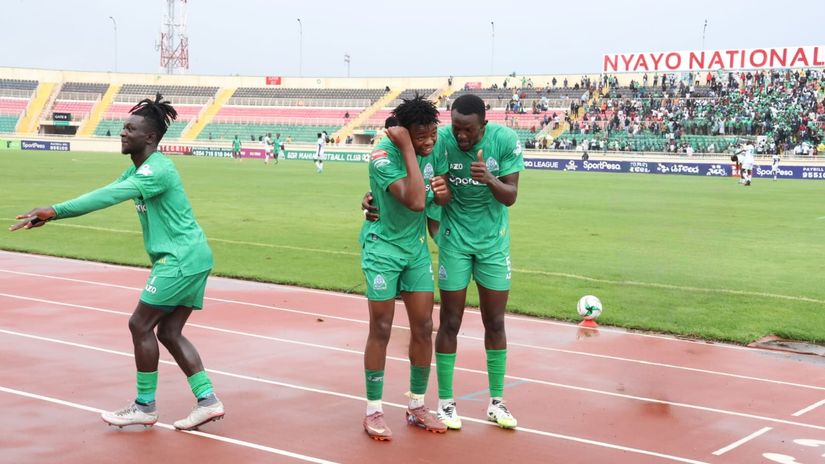
When financial difficulties arose, contributions were raised collectively, sometimes falling short of the amount required but still reinforcing the sense of belonging that defines the community.
Chege sees those gestures as evidence that Kamare Twitter functions as more than entertainment, describing it as a space where people feel part of something larger than themselves.
Honesty forms an important part of that identity.
Losing betting slips are discussed openly, and cabinet members are publicly criticised for poor performance, a phrase used half jokingly to describe unsuccessful predictions.
There have been theatrical impeachments carried out in the same spirit, reinforcing discipline while preserving humour.
Chege himself is often the subject of jokes about weight gain, and he takes them easily, sometimes sharing the memes himself and allowing the banter to continue without defensiveness.
The ability to laugh at himself strengthens rather than weakens his authority, making the presidency feel accessible rather than distant.
Responsible gambling is discussed in a practical rather than formal way.
Chege says there are no publicly known cases of destructive behaviour within the group and describes betting primarily as a pastime that brings people together rather than a pursuit of guaranteed income.
The community’s identity rests as much on conversation and shared experience as it does on the slips themselves.
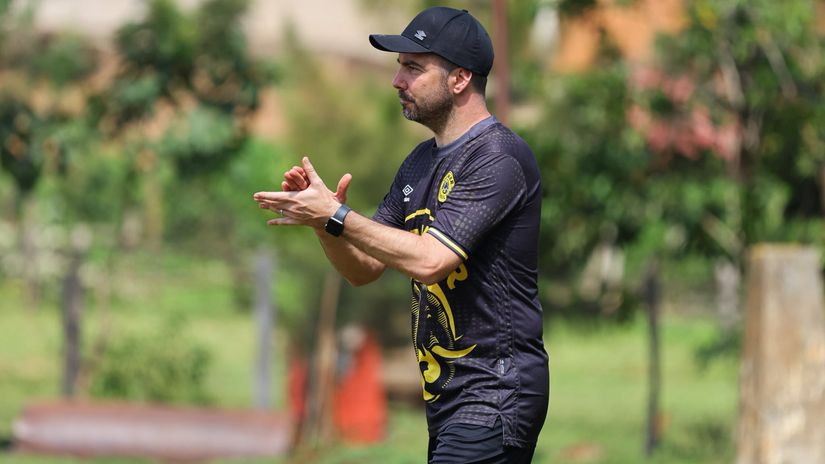
Even the presidency operates partly as performance. When new gambling regulations or economic pressures arise, the office releases statements that combine serious concern with deliberate humour, condemning policies while maintaining the playful tone that defines the group.
The balance allows the community to express collective views without drifting into formal politics.
He does not feel pressure to appear presidential because the title itself began as a joke, yet the symbolism carries meaning for those who participate.
His nickname Rais (President) reflects that balance between parody and legitimacy, a title that exists somewhere between comedy and recognition.
When asked what success beyond betting might look like, he speaks about partnerships that could benefit members directly, whether through merchandise, collaborations or organised meet-ups where relationships can develop beyond online interaction.
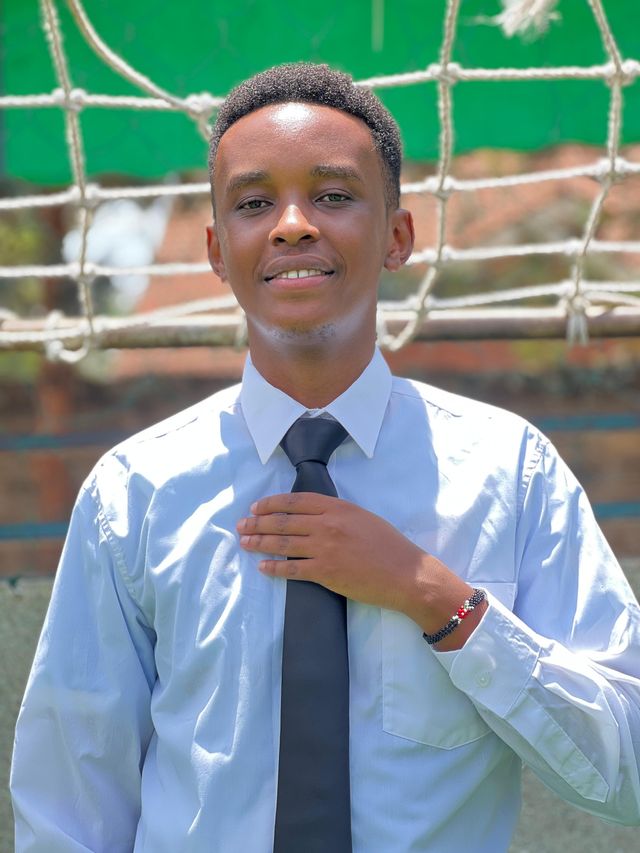
He hopes to expand the physical presence of the community gradually, bringing people together in the same spaces where conversations currently exist only through screens.
When the subject turns to how he is perceived, he pauses before answering and gently corrects the premise of the question.
He does not think he is misunderstood so much as unknown, a distinction that reflects the privacy he maintains despite his public role.
Many members of Kamare Twitter will learn for the first time through this story that their President attended Alliance and studied engineering at Kenyatta University.
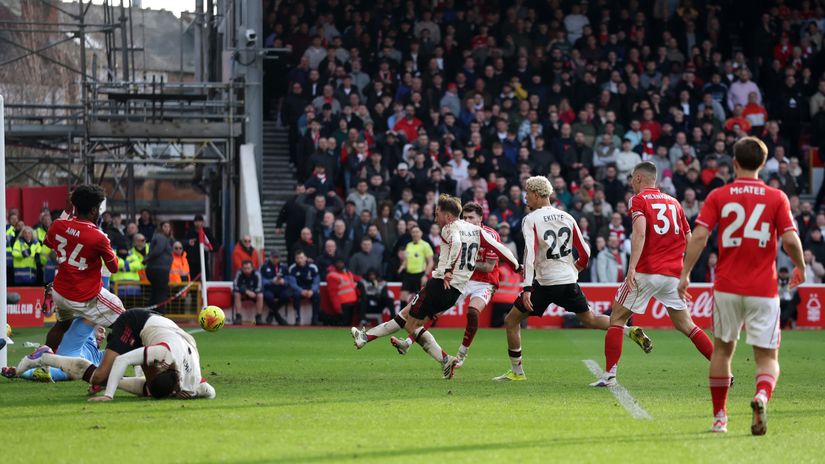
He keeps a close circle and reveals little outside it, though he expresses a desire to interact more with the community in person and to attend more Kenyan sporting events with those he considers friends.
As the light began to fade over the Kahawa Wendani turf, it became easier to imagine the place alive again, filled with voices and movement rather than silence.
Chege spoke about what he would want remembered if Twitter disappeared tomorrow and the answer came without hesitation.
“The joy that it brings.”
Not the title or the slips, but the sense of brotherhood created along timelines and carried into real life.
The turf where we sat would fill again soon enough, and when it did, the presidency would exist not as an office but as a presence among friends looking into the same pitch.