


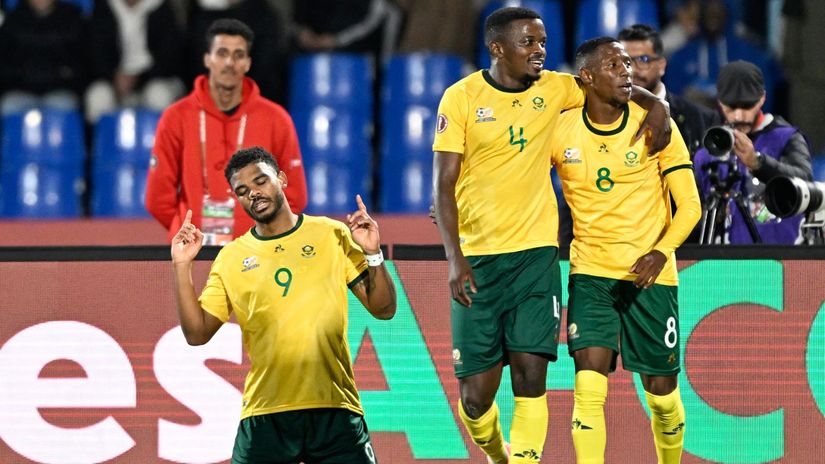
TACTICAL ANALYSIS: How South Africa overcome a stubborn Angola to end 21-year hoodoo

.jpg)
.jpg)
Reading Time: 6min | Tue. 23.12.25. | 14:21
The match highlighted South Africa's evolution under Broos, starting in a compact 4-4-2 formation
With the feel-good factor back and a mission to replicate the heroics of the 1996 Africa Cup of Nations, South Africa arrived in Morocco looking to manage the weight of a country.
Follow our WhatsApp channel for more news
The first obstacle to greatness was Angola, and in a gripping encounter between Bafana Bafana and Angola, Hugo Broos' men emerged victorious with a 2-1 scoreline, showcasing tactical discipline and timely substitutions that turned the tide.
The result also meant that this was the first time Bafana Bafana have won their opening match at AFCON in 21 years
The match highlighted South Africa's evolution under Broos, starting in a compact 4-4-2 formation that emphasised patient build-up and wide overloads.
Goalkeeper Ronwen Williams anchored the defense, distributing the ball effectively to bypass Angola's initial one-man press led by M'bala Nzola.
The central defensive pairing of Mbekezeli Mbokazi and Siyabonga Ngezana provided a solid rest defense, while fullbacks Khuliso Mudau and Aubrey Modiba advanced aggressively, creating numerical advantages on the flanks.
Midfield duo Teboho Mokoena and Sphephelo Sithole controlled the tempo, screening the backline and launching balls to wingers Oswin Appolis and Mohau Nkota, who combined fluidly with the overlapping fullbacks.
Up front, Sipho Mbule operated as a deep-lying striker, dropping between lines to link play with target man Lyle Foster.
This setup morphed into a staggered 2-2-6 structure in possession, allowing six players to flood the attacking third.
Angola, under Patrice Beaumelle, countered with a defensive 5-4-1/4-1-4-1 shape, prioritising compactness out of possession.
Veteran goalkeeper Hugo Marques was protected by a back five featuring Clinton Mata at right-back, To Carneiro at left-back, and central defenders Kialonda Gaspar and Jonathan Buatu, with pivot Manuel Show Cafumana dropping deep to screen.
Wingers Zito Luvumbo and Gelson Dala flanked midfielders Fredy Ribeiro and Antonio Simao Maestro, while Nzola held up play as the lone striker, targeting aerial duels in transitions.
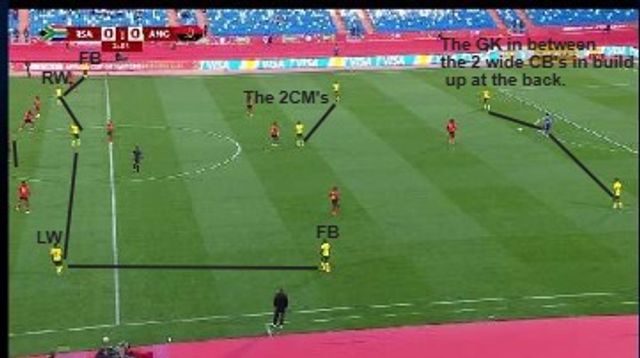 South Africa built in a 3-2-5-1 staggered shape that morphed into a 2-2-6 in advanced attacking phases, with the goalkeeper splitting the centre-backs, full-backs holding width and rotating with wingers between half-spaces and wide lanes, and Sipho Mbule dropping off as a second striker beneath Lyle Foster, effectively manipulating Angola’s shifting mid-to-low block early on.
The first half unfolded with Angola setting up in a disciplined mid-block, closing central spaces and forcing South Africa wide.
Palancas Negras focused on exploiting the flanks, isolating technical dribblers like Zito on the right to take on Bafana Bafana defenders in 1v1 situations, while Dala mirrored this on the left.
Their build-up involved long balls through midfield, with Fredy and Maestro dropping deep to aid progression and recover second balls. Crosses and cutbacks targeted late runners, posing early threats to South Africa's defense.
Bafana Bafana, defending in a 4-4-2, switched play effectively to overload wide areas, with wingers and fullbacks alternating between channels and half-spaces.
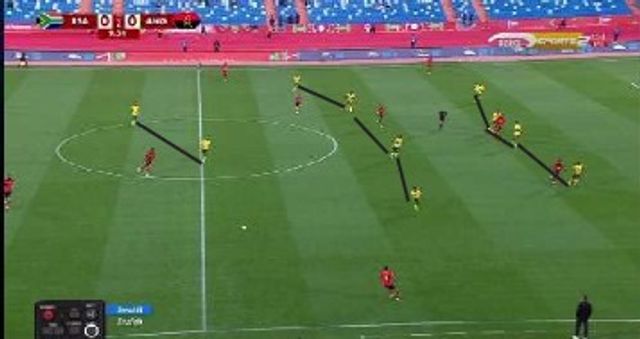 South Africa defended in a compact 4-4-2 mid-block, prioritising central lane denial and funnelling play wide, but Angola consistently targeted the flanks, where their wingers thrived in 1v1 isolation scenarios.
The breakthrough came in the 21st minute when Mudau's cross from the right found Appolis in the left half-space, who finished clinically after intelligent movement inside the box, giving South Africa a 1-0 lead.
This goal exposed Angola's vulnerability to wide switches, but it also ignited their reaction to adversity.
Rather than crumbling, Angola shifted gears, abandoning their mid-block for a higher press to win the ball early and counter-press aggressively.
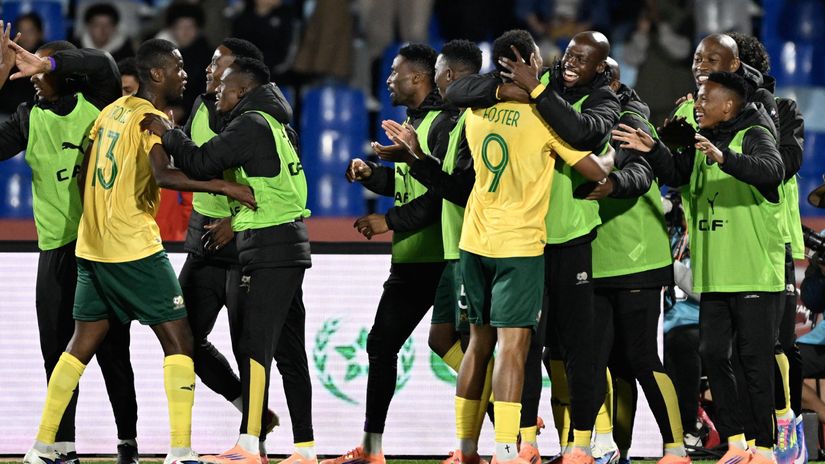
This resilience paid dividends as they grew into possession, circulating in midfield and probing for penetrative moments.
Their midfield trio - Show, Fredy, and Maestro - excelled in ball progression, with fullbacks Mata and Carneiro joining overloads on the flanks.
Zito's skill in isolating Modiba pinned South Africa deep, while Angola's aggressive recovery of loose balls forced long clearances from Bafana Bafana with limited success.
The equaliser arrived in the 35th minute via a well-executed set piece: a free kick from the left flank by Fredy, just outside the box, saw Show convert with a clever back-heel touch at the near post, restoring parity at 1-1.
This moment underscored Angola's set-piece prowess, with precise delivery and intelligent runs exploiting South Africa's aerial weaknesses.
Williams made crucial saves on subsequent on-target efforts, but Angola dominated chances created heading into halftime, their aerial deliveries from crosses troubling the Bafana backline repeatedly.
The second half began with Broos introducing a substitution that proved pivotal: Thapelo Moremi replaced Mohau Nkota, injecting fresh legs, speed, and energy into the right wing without altering the overall structure.
Moremi's dynamism immediately threatened, and in the 51st minute, he appeared to restore South Africa's lead with a low shot past Marques, only for it to be ruled offside - a decision that highlighted Angola's continued compactness, limiting space and shutting passing lanes centrally.
Palancas Negras maintained their aggressive approach out of possession, recovering second balls effectively and probing with urgency.
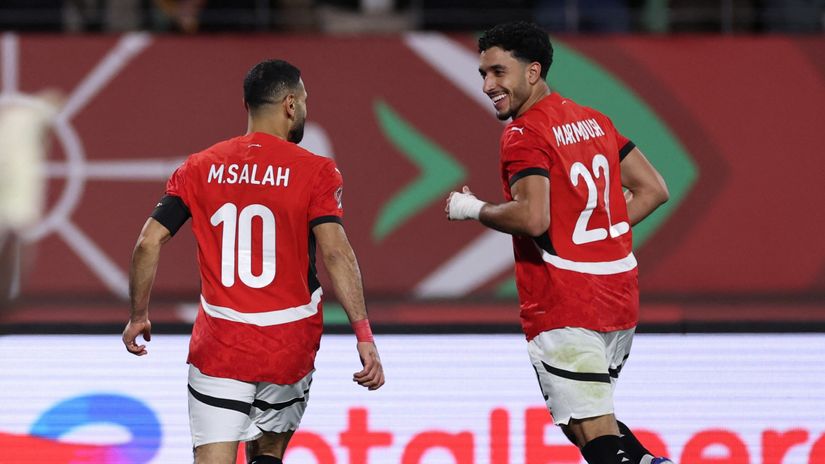
However, South Africa gradually asserted dominance, building from the back now in a 2-4-4 shape to gain spells of possession and push Angola into a low block by the 68th minute.
Gonçalves responded around the 70th minute with his own changes, substituting Mabululu and Milson for Nzola and Dala to revitalise the attack, adding thrust that had waned.
Yet, it was South Africa's subs that truly made an impact. Moremi's introduction not only provided attacking spark but also defensive aggression, helping secure set pieces where Bafana Bafana had been vulnerable.
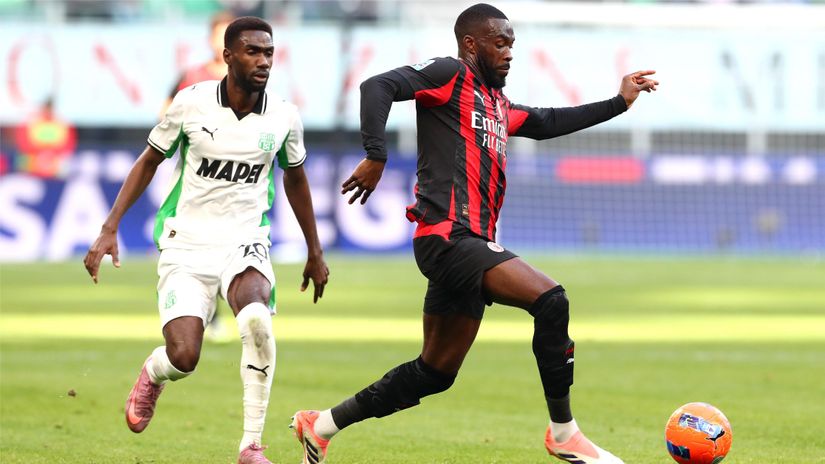
His drop into deeper positions facilitated a third-man combination in the 79th minute: after a defensive lapse from Angola failing to clear a loose ball, Moremi linked play to set up Foster, who rifled a shot from outside the box to make it 2-1.
This goal exemplified the subs' influence - Moremi's energy disrupted Angola's rhythm, creating the turnover that led to the winner.
Broos likely viewed Moremi as a multifaceted asset, adding physicality to win set pieces and aggression to close out the game, aligning with his philosophy of adapting roles to match moments.
Angola's reaction to conceding the second goal further demonstrated their edge in adversity.
Rather than wilting, they ramped up urgency, pushing numbers forward in search of an equaliser.
Their resilience shone in the final minutes, nearly paying off as they bombarded South Africa's box with crosses and set pieces, exploiting lingering aerial vulnerabilities. Beaumelle's side showcased excellent set-piece execution throughout.
Show's equaliser exemplified this, with a rehearsed routine where the free kick was whipped to the near post, allowing his back-heel deflection to wrong-foot Williams.
In the dying stages, Angola's compact low block transitioned into an all-out attack, with midfielders like Fredy dropping deep to launch long balls, inviting wingers to isolate defenders.
Their ability to recover second balls and press high after losses kept South Africa pinned, creating half-chances that tested Williams.
South Africa's cohesion held firm, but Angola's tactical flexibility - shifting from a defensive shell to aggressive overloads - gave them a psychological edge, proving their capacity to adapt under duress.
Ultimately, the match underscored the impact of South Africa's substitutions in shifting momentum.
Moremi's entry not only scored (albeit disallowed) but catalysed the winning goal through his excellent link-up play, embodying Broos' emphasis on versatile contributors who enhance both phases.
Angola's set-piece techniques stood out as a model of execution: precise, varied, and targeted at weaknesses, with runners timing movements to exploit gaps.
Their reaction to adversity - intensifying after the opener and showing late-game resilience - nearly salvaged a point, highlighting a team on the rise.
For South Africa, the win marked a strong start, but defensive lapses on aerial balls and set pieces remain areas for refinement.
In a game defined by tactical nuances, it was the subs' spark and set-piece savvy that tipped the scales, leaving fans eager for more clashes in AFCON 2025.