


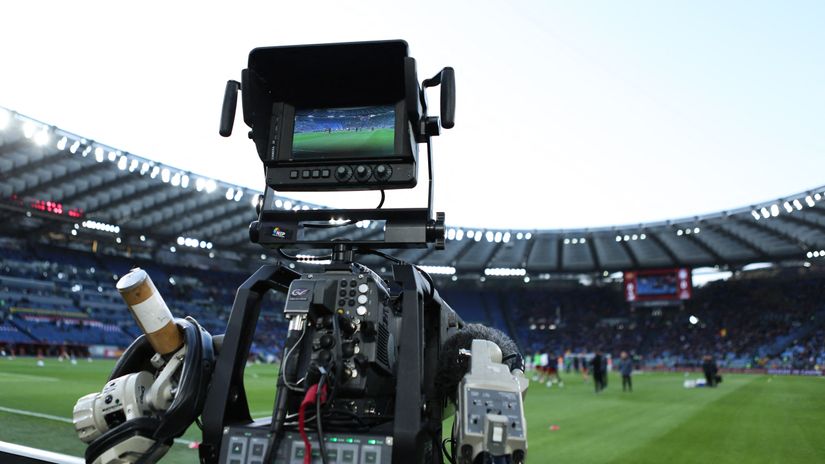
40% of world population cannot watch the World Cup

.jpg)







Reading Time: 2min | Tue. 12.05.26. | 12:30
FIFA still hasn't agreed TV deals with many Asian countries
FIFA president Gianni Infantino recently promoted the upcoming 2026 FIFA World Cup at a conference in Beverly Hills as a global source of “happiness” and an important investment in the future. However, despite the optimistic statements from the leader of world football, the organization is facing serious challenges in selling television rights in key Asian markets. According to reports from Reuters, cited by The Athletic, negotiations with broadcasters in China and India, the world’s two most populous countries, have still not been finalized, which could leave billions of people without official access to broadcasts.
FIFA president Gianni Infantino defended 2026 World Cup ticket prices, arguing that in the U.S., tickets to college games are never less than $300. 😯
— USMNT Only (@usmntonly) May 7, 2026
"We have to look at the market. We are in the market in which entertainment is the most developed in the world, so we have to… pic.twitter.com/J1FzXLvcXW
The main obstacle in the negotiations is the unfavorable time difference between North America and Asia. Matches played in the United States, Canada, and Mexico will air early in the morning in China, while in India they will mostly be broadcast after midnight. This represents a significant change compared to the previous tournament in Qatar, which was held at ideal viewing times for Asian audiences. Because of that, local broadcasters believe the market value of the rights is significantly lower than before, since the same level of viewership and advertising revenue cannot be expected.
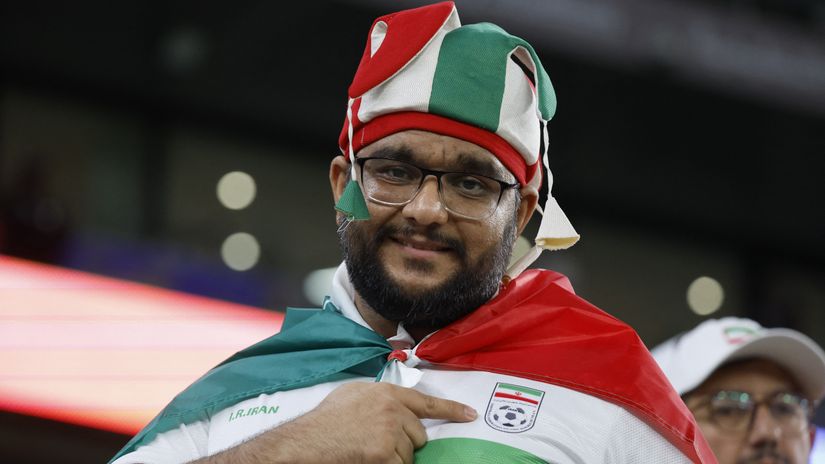
In India, the situation is further complicated by the dominance of cricket and the upcoming Women’s Cricket World Cup, which is scheduled during the same period. Media giants such as JioStar and Sony Group Corporation are reportedly unwilling to pay the 100 million dollars FIFA demanded for the 2026 and 2030 rights package. The Indian side has allegedly offered only 20 million for the upcoming tournament, while FIFA is trying to justify the high price with the expanded tournament format and larger number of matches.
Although FIFA has already signed agreements with more than 180 of its member associations, including a recent deal in Bangladesh, around 40 percent of the world’s population still does not have guaranteed access to broadcasts of the tournament. In addition to China and India, unresolved broadcasting-rights issues also remain in Pakistan, Thailand, and Myanmar. The gap between the financial expectations of football’s governing body and the realistic market value seen by Asian broadcasters remains the key issue FIFA must resolve in order to achieve full global coverage of the world’s biggest football tournament.